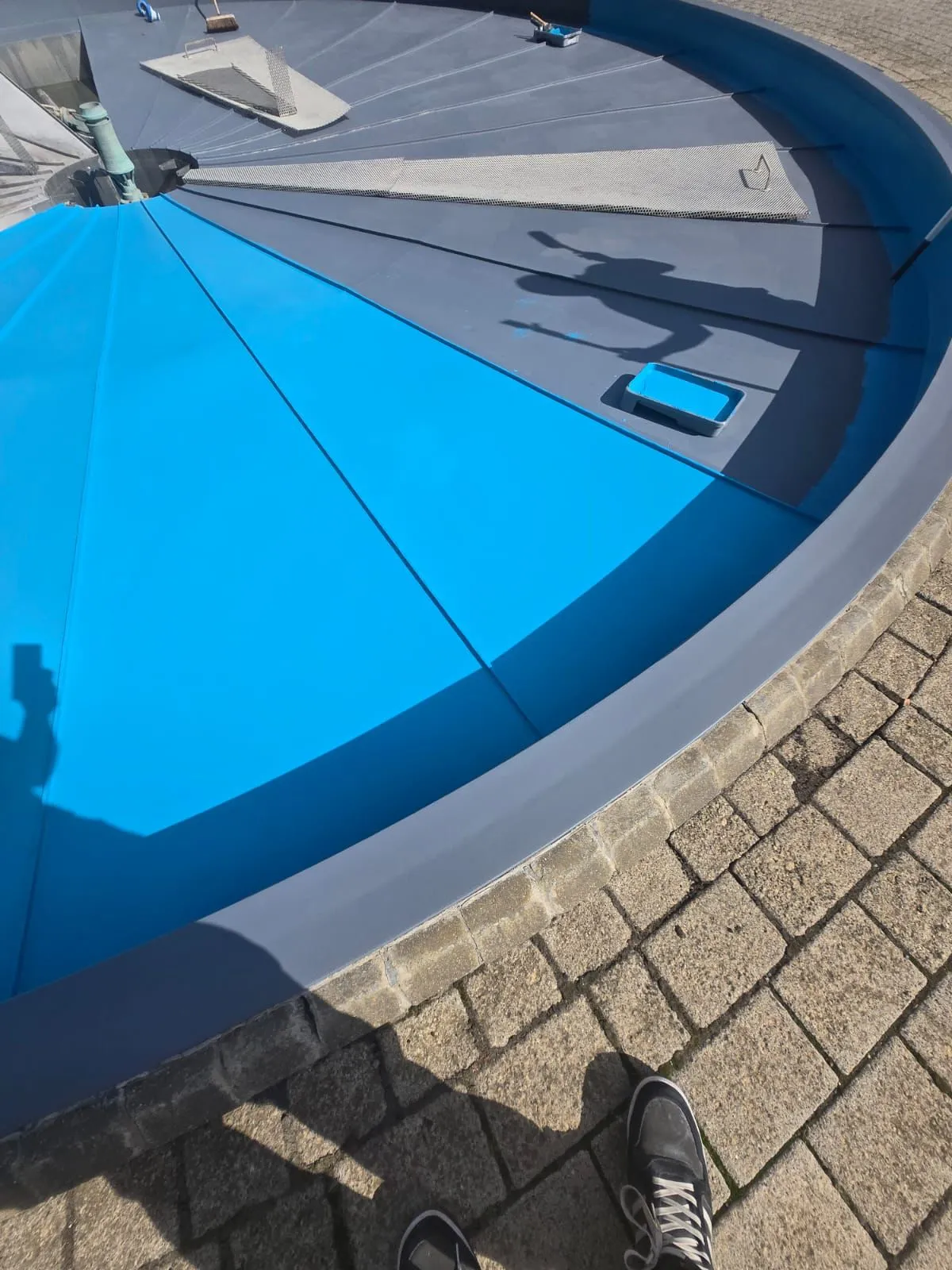
Water ingress through a commercial roof is one of the most disruptive and costly problems a property manager can face. A compromised flat roof can damage ceilings, electrics, and fit-outs - disrupting tenants and triggering expensive emergency repairs.
Professional roof waterproofing in London requires the right materials, the right technique, and a team with experience on commercial buildings. This guide covers what to expect and how to protect your asset.
Why Commercial Flat Roofs Fail
Most commercial buildings in Central London have flat or low-pitch roofs covered with membrane systems. Over time, UV exposure, thermal movement, and poor drainage cause membranes to crack, blister, or delaminate - creating entry points for water.
The most common failure points are around roof penetrations - pipes, vents, and rooflights - where the membrane seal deteriorates over time. Regular inspection is the only way to catch these before they become a costly problem.
"A roof inspection costs a fraction of what a water ingress claim costs. We always recommend annual inspections for flat roofs over 10 years old."
Waterproofing Solutions for Commercial Roofs
The right waterproofing solution depends on the existing roof structure, the extent of deterioration, and the building's specific requirements. Common approaches include liquid-applied membrane systems, which are ideal for complex roof shapes and details; GRP fibreglass systems, which provide a seamless and highly durable finish; and felt or bitumen overlay systems for straightforward flat roof repairs.
3COL has experience with all of these systems across commercial buildings in Central London, from office rooftops in EC1 to retail units in SW1.
Signs Your Roof Needs Attention
Property managers should watch for damp patches on upper floor ceilings, staining around roof penetrations, bubbling or blistering of the roof membrane, standing water after rainfall, and deterioration of flashings at parapet walls. Any of these signs warrants an immediate inspection.
Documentation and Compliance
All roof waterproofing works carried out by 3COL are fully documented - including photographic evidence of the existing condition, materials used, and the completed works. This documentation is essential for insurance purposes and for demonstrating due diligence to tenants and landlords.
All works are carried out by our £5M insured, Enhanced DBS-checked team under HASWA 1974 compliance.
Planned Roof Maintenance vs Emergency Repair
The economics of roof maintenance are clear: an annual inspection and preventive maintenance programme costs a fraction of an emergency repair following a failure. Yet most commercial property managers in London only address roof issues reactively - when a leak appears in a ceiling.
The problem with this approach is that by the time water ingress is visible inside the building, the damage to the roof membrane has typically been developing for months. The water has found a path through the membrane, migrated under the surface, and saturated insulation and structural elements before becoming visible. The repair at that point is always more extensive - and more expensive - than it would have been if caught at inspection.
3COL recommends including roof inspection in the annual maintenance programme for all commercial properties in Central London with flat or low-pitch roofs. The inspection is free, and the peace of mind is genuine.
Flat Roof Drainage
Inadequate drainage is the most common contributing factor to flat roof failure in London. When water ponds on a flat roof surface, it creates hydrostatic pressure that accelerates membrane deterioration, adds structural load, and provides an environment for organic growth that further damages the membrane. Ensuring that roof drainage outlets are clear and functioning correctly is a basic maintenance task - but one that is frequently overlooked.
3COL includes drainage assessment in all roof inspections, and gutter and drainage clearance is available as a standalone service for properties requiring regular maintenance.
Frequently Asked Questions
How often should a commercial flat roof in London be inspected?
Commercial flat roofs should be inspected at least annually. Ideally twice per year - in spring after winter weather exposure and in autumn before the wet season. Roofs over 10 years old warrant more frequent attention.
What are the signs that a commercial flat roof needs waterproofing?
Key signs include damp patches on upper floor ceilings, staining around roof penetrations, bubbling or blistering of the roof membrane, standing water after rainfall, and visible deterioration of flashings at parapet walls.
Can a new waterproofing system be applied over an existing flat roof?
In many cases, yes. Liquid-applied and GRP systems can be applied as overlays over existing membranes, provided the substrate is sound. 3COL carries out a substrate assessment as part of the free site visit before specifying the appropriate system.
Does 3COL carry out emergency roof repairs in London?
Yes. 3COL operates a 4-hour response target for emergency roof repairs across Central London. Temporary waterproofing measures can be applied immediately to prevent further damage while a permanent solution is specified.
Need a roof inspection in London?
Free site visit and assessment for commercial properties. Same-day response available.
Request Free Inspection