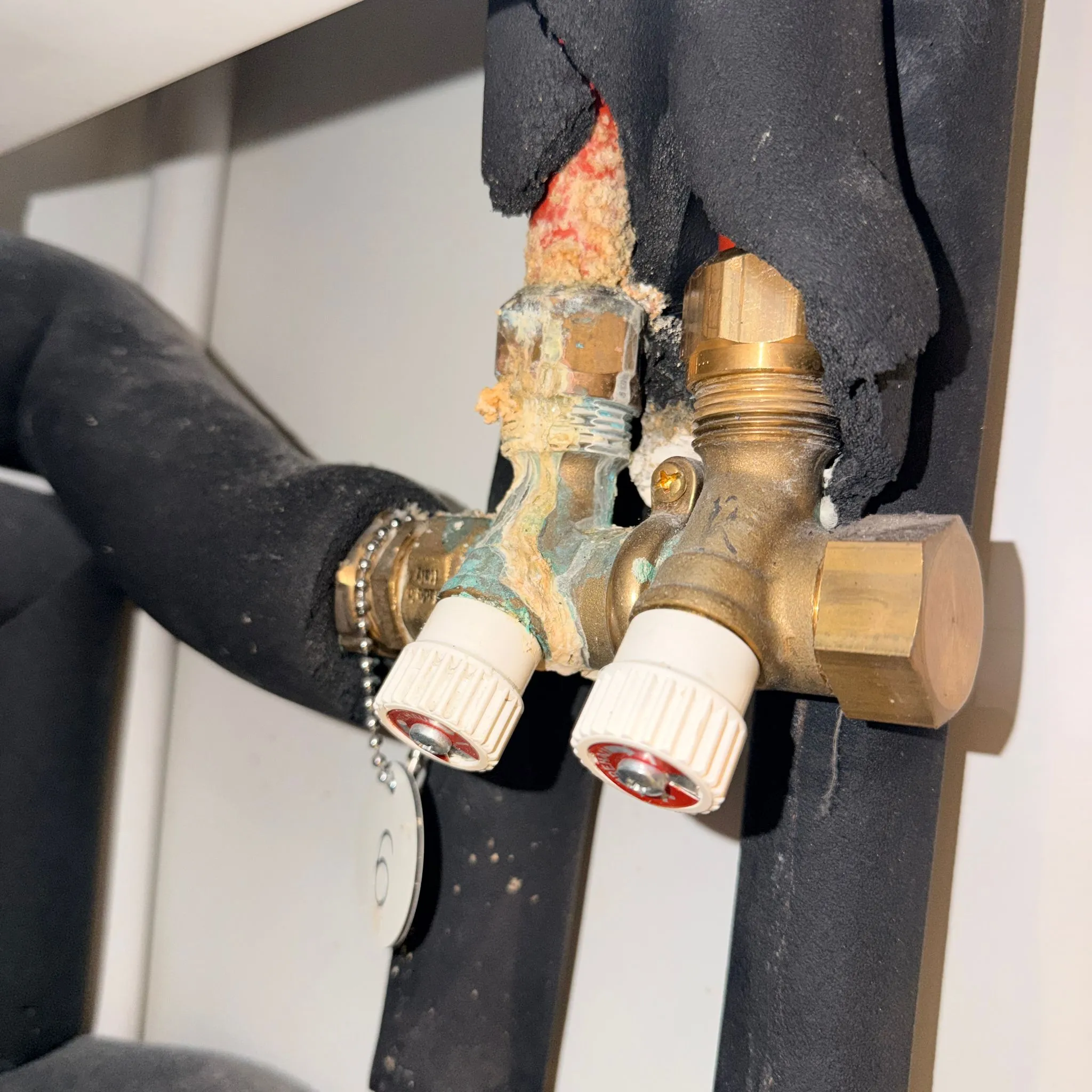
Every property manager in London faces the same dilemma: wait until something breaks, or invest in regular maintenance before problems arise? The answer, backed by data and real experience, is clear - but the reasons why matter.
What Is Reactive Maintenance?
Reactive maintenance means fixing things after they break. A pipe bursts, a ceiling tile collapses, an electrical fault trips the whole floor. You call a contractor, they come out - usually at premium rates - and fix it under pressure, often disrupting tenants in the process.
For London offices and commercial properties, this approach is expensive and unpredictable. Emergency rates in Central London can run 2-3x standard rates, and the disruption to tenants adds an invisible cost that's hard to quantify but very real.
"A reactive approach feels cheaper until you get the invoice. We've seen property managers spend in one emergency call-out what three months of planned maintenance would have cost." - Gerardo de la Torre, Director, 3COL
What Is Planned Maintenance?
Planned maintenance - sometimes called preventive or scheduled maintenance - means regularly inspecting, servicing and replacing components before they fail. This includes everything from checking plumbing seals and testing electrical circuits to clearing gutters and inspecting roof membranes.
For Central London commercial properties, a good planned maintenance programme typically covers monthly, quarterly and annual tasks depending on the building type and tenant requirements.
Key Benefits for London Property Managers
Cost predictability. Fixed monthly or quarterly costs are far easier to budget than unpredictable emergency bills. Most building owners see a 20-30% reduction in total maintenance spend when switching to planned maintenance.
Tenant satisfaction. Tenants in W1, EC1 and SW1 postcodes expect a well-maintained environment. Regular maintenance prevents the kind of visible deterioration - stained ceilings, faulty lighting, dripping taps - that drives tenant complaints and, ultimately, lease renewals.
Compliance. Many maintenance tasks are not optional - they're legal requirements. Fire door inspections, emergency lighting tests, and legionella risk assessments must be carried out regularly. A planned maintenance schedule ensures nothing is missed.
Asset preservation. London commercial property is a significant investment. Regular maintenance protects the long-term value of the asset and reduces major capital expenditure down the line.
Building Your Maintenance Schedule
A solid planned maintenance programme for a Central London commercial property typically includes weekly walkthroughs, monthly checks of critical systems, quarterly deep inspections, and annual compliance reviews.
The exact schedule depends on building age, tenant type, and lease terms - but the principle is the same: proactive is always cheaper than reactive.
Weekly Tasks
A weekly walkthrough takes no more than 30 minutes but catches the issues that compound into expensive problems: dripping taps, flickering lights, stiff door closers, blocked drains, and visible damp patches. Logging these observations in a simple maintenance register gives you a paper trail that is invaluable during lease renewals and dilapidations negotiations.
Monthly Checks
Monthly maintenance checks should cover fire safety equipment (extinguisher pressure, fire door operation, emergency lighting function), plumbing (water pressure, hot water temperature for legionella risk, visible pipework condition), and electrical (RCD test, visible cable condition, exterior lighting). For properties in Central London postcodes such as EC1, SW1 and W1, where building stock is older and systems more complex, monthly checks are particularly important.
Quarterly Inspections
Quarterly inspections go deeper - roof and gutter condition, external facade, drainage systems, HVAC filters and ventilation units, and a full review of the maintenance log. This is the right frequency for catching deterioration before it becomes structural damage. A qualified contractor can complete a thorough quarterly inspection in half a day for most commercial properties.
Annual Compliance Reviews
Annual reviews address statutory compliance obligations: gas safety certificates, electrical installation condition reports (EICR), legionella risk assessments, and any lease-specific obligations. Missing these is not just a maintenance failure - it is a legal one, with potential liability implications for the property manager and the landlord.
The Real Cost of Doing Nothing
Property managers who defer maintenance often discover the true cost at the worst possible moment - during a dilapidations claim at the end of a lease. Landlords and their surveyors will identify every unmaintained item, and the remedial costs in a dilapidations context are typically inflated compared to what planned maintenance would have cost over the same period.
At 3COL, we regularly assist property managers with end-of-lease dilapidations work across Central London. In a recent EC1 case, a tenant with no maintenance history faced a landlord claim of £78,000. 3COL's site survey identified that 11 line items were either overclaimed or could be addressed at a fraction of the quoted cost. The final bill was £42,000 - a saving of £36,000 achieved entirely because the works were properly scoped and delivered by a contractor who knew the difference between fair and inflated.
The lesson is simple: maintaining a property throughout a lease is far less expensive than settling a dilapidations claim at the end of one.
What to Look for in a Planned Maintenance Contract
Not all maintenance contracts are equal. When evaluating providers for a Central London commercial property, the key criteria are straightforward but often overlooked.
Insurance. A minimum of £5M Public Liability Insurance is essential for any commercial property work. Verify the certificate - do not accept verbal assurances.
DBS checks. All operatives should hold Enhanced DBS clearance. This is non-negotiable for properties with occupied tenancies.
Documentation. Every visit should produce a written report with photographs, dated and signed. This documentation is your protection in any future dispute with a landlord or tenant.
Response time. Even the best planned maintenance programme cannot prevent every emergency. Make sure your contractor can respond same-day for urgent issues - a 4-hour response target is the benchmark for Central London.
Payment terms. Net 7 invoicing is standard for professional property management relationships. Avoid contractors who require payment upfront or cannot provide a structured invoicing arrangement.
Working with a Reliable Maintenance Partner
The right maintenance contractor makes planned maintenance simple. Look for a company with full public liability insurance (£5M minimum for commercial work), DBS-checked staff, and experience with Central London commercial properties.
At 3COL, we work with property managers across W1, WC2, EC1, SW1 and surrounding postcodes, providing everything from routine plumbing and electrical checks to full planned maintenance programmes on Net 7 invoicing terms. Every job comes with same-day documentation, a single point of contact, and a 6-month written workmanship guarantee - so you always have what you need to report back to your landlord or client.
Free site visits and assessments are available across all Central London postcodes - with zero call-out charge and no obligation.
Planned vs Reactive: At a Glance
| Factor | Planned ? | Reactive ? |
|---|---|---|
| Cost predictability | Fixed monthly cost | Unpredictable |
| Average repair cost | Standard rate | 2-3- premium rate |
| Tenant disruption | Minimal - scheduled | High - unplanned |
| Compliance risk | Low - documented | High - missed checks |
| Dilapidations exposure | Low - maintained record | High - no evidence |
| Asset value impact | Protected | Deteriorates over time |
Frequently Asked Questions
Is planned maintenance worth it for small commercial properties in London?
Yes. Even for smaller commercial units, planned maintenance reduces emergency call-out costs, protects tenant relationships, and ensures compliance with statutory obligations. The return on investment is typically seen within the first year.
How often should a commercial property in Central London be inspected?
A weekly walkthrough, monthly systems check, quarterly full inspection, and annual compliance review is the recommended schedule for most Central London commercial properties. Older buildings or those with complex systems may require more frequent attention.
What does a planned maintenance programme cost?
The cost depends on the size and complexity of the property. At 3COL, planned maintenance programmes are priced transparently with no hidden charges - and free site visits mean you get a detailed assessment before committing to anything.
Can 3COL provide a planned maintenance programme for my London property?
Yes. 3COL Maintenance Services provides planned maintenance programmes for commercial properties across Central London including W1, EC1, SW1, SW3 and E14. Free site visits and assessments are available with zero call-out charge and no obligation.
Ready to move from reactive to planned?
Get a free site visit and maintenance assessment for your property.
Request Free Assessment