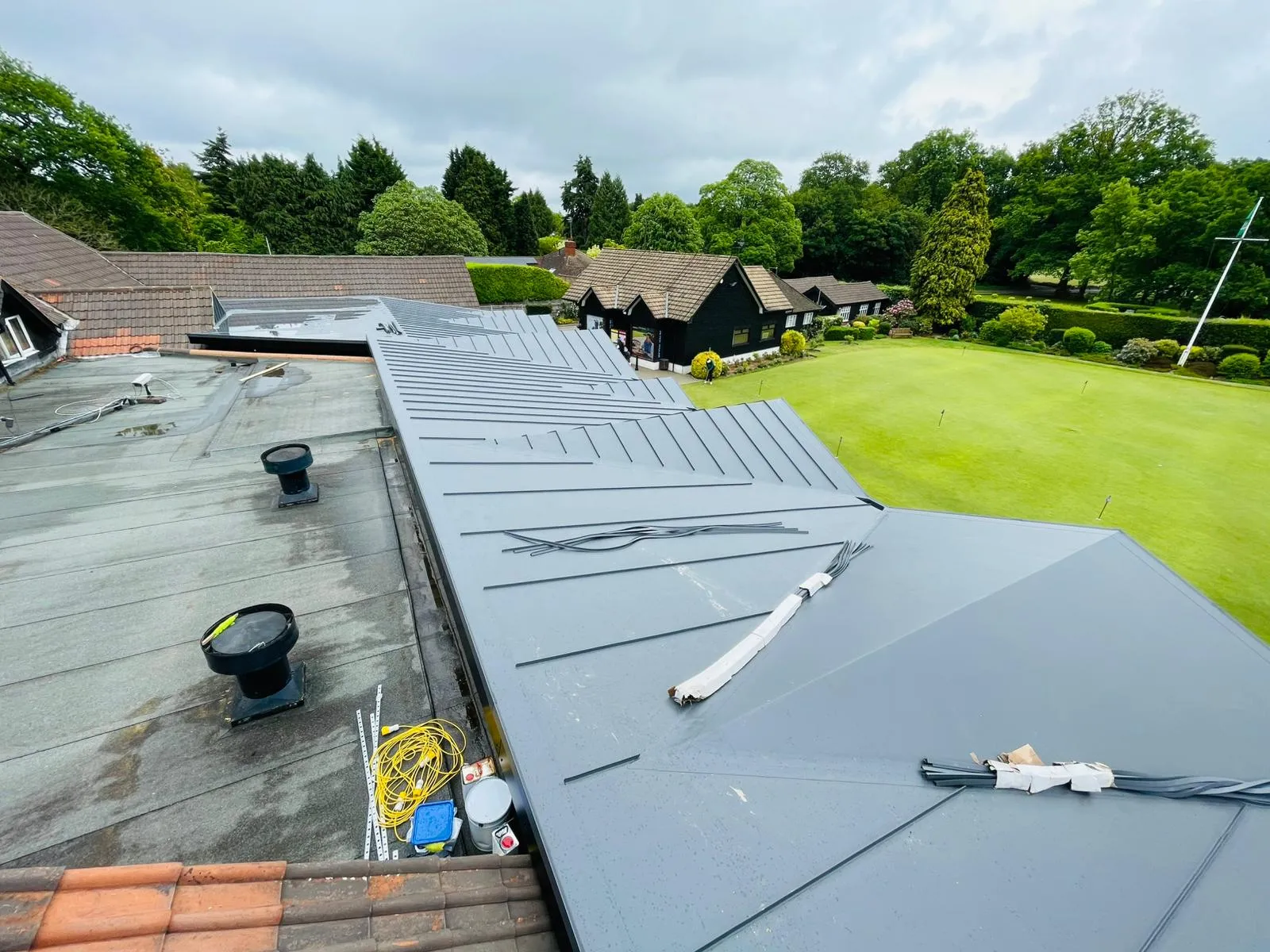
Property maintenance in London for commercial buildings is a specialist discipline that bears little resemblance to its residential counterpart. The density of Central London, the complexity of multi-tenanted buildings, the strict regulatory environment, and the operational demands of keeping a commercial property functioning without interruption create a set of challenges that require a fundamentally different approach - and a fundamentally different type of contractor.
This guide is written for building managers, property managers, facilities managers, and managing agents responsible for commercial property portfolios across Central London. It covers the full scope of what commercial property maintenance entails, the hidden operational complexities unique to London, how to evaluate and select a maintenance partner, and why the single-contractor model consistently outperforms the traditional multi-vendor approach.
The Scope of Commercial Property Maintenance
Commercial property maintenance encompasses every reactive and planned task required to keep a building safe, compliant, functional, and presentable. For a managed office block, a retail unit, or a multi-use commercial building in Central London, this typically includes the following core disciplines:
Plumbing & Water Systems
Leak detection, drain clearance, tap and valve repairs, toilet and washroom maintenance, water pressure diagnostics, pipe lagging, and emergency water shut-off across all floors.
Electrical Maintenance
Light fitting replacement, socket and switch repairs, extractor fan servicing, fault-finding, emergency lighting checks, and minor distribution board works.
Carpentry & Joinery
Door repairs and rehang, ironmongery replacement, partition adjustments, skirting and architrave, shelving, bespoke joinery, and fire door maintenance.
Painting & Decorating
Interior and exterior repainting, surface preparation, wallpaper stripping, touch-up programmes, full redecoration between tenancies, and common-area refresh schedules.
Deep Cleaning & Hygiene
End-of-tenancy deep cleans, post-construction cleaning, washroom descaling, kitchen deep cleans, carpet and hard floor restoration, and scheduled hygiene programmes.
Licensed Waste Removal
Environment Agency licensed (CBDL628634) commercial waste collection, bulky item disposal, skip coordination, and Waste Transfer Note documentation for full audit compliance.
Remedial & Structural
Wall crack repairs, damp investigation, plastering, ceiling repairs, waterproofing, fibreglass surface restoration, and minor structural remediation.
Compliance & Testing
PAT testing coordination, emergency lighting checks, fire door inspections, legionella risk assessment support, and health and safety documentation.
Why London Is Different - The Operational Reality
Property managers who have only worked outside of Central London consistently underestimate the logistical complexity of maintaining a building within Zones 1 and 2. Every aspect of the operation - from getting a van to site, to disposing of waste, to scheduling around tenant activity - is materially more difficult and more expensive than anywhere else in the country.
Access, Parking, and Congestion
The London Congestion Charge (£15 per day as of 2026) applies to any vehicle entering the charging zone during operational hours. Controlled Parking Zones across Westminster, Camden, Islington, the City, and Southwark add between £5 and £15 per hour, and most boroughs limit loading bay access to 30-minute windows. For a full-day maintenance visit requiring tools, materials, and waste removal, these costs are not marginal - they are structural.
A contractor experienced in Central London will factor these costs into every quotation as standard. A contractor who does not mention them is either absorbing them at the expense of service quality or planning to add them to the final invoice as a surprise.
Building Management Protocols
Managed commercial buildings in London typically impose contractor induction requirements, hot works permits, risk assessments and method statements (RAMS), and specific access windows that prohibit disruptive works during core business hours. In many estate-managed buildings - particularly in Canary Wharf, the City, and Mayfair - contractors must be pre-approved, insured to a minimum threshold (typically £5M), and able to evidence DBS-checked operatives.
Navigating these protocols efficiently is a skill in itself. A contractor who has never worked in a managed building will lose hours to induction processes, permit delays, and access restrictions - time that is ultimately billed to you.
"The most expensive maintenance contractor is not the one with the highest day rate - it is the one who arrives unprepared for the building's access requirements, loses half a day to induction, and invoices you for the full visit regardless."
Tenant Sensitivity and Disruption Management
In a multi-tenanted commercial building, maintenance works must be planned and executed with minimal disruption to the occupants. Noisy works - drilling, hammering, angle-grinding - may need to be scheduled outside core hours or during agreed maintenance windows. Odorous works such as painting or adhesive application require advance tenant notification and ventilation planning.
A professional maintenance contractor will proactively discuss scheduling constraints during the quotation stage, not discover them on the day of the visit.
Planned Maintenance vs. Reactive Repairs
The most effective approach to commercial property maintenance combines a structured planned maintenance programme with the capacity for rapid reactive response when issues arise unexpectedly.
The Cost of Reactive-Only Maintenance
Buildings managed on a purely reactive basis - fixing things only when they break - consistently incur higher costs over a 12-month cycle than those with planned programmes. Emergency call-outs carry premium rates. Failures cascade: a leaking pipe left unaddressed damages ceiling tiles, which leads to a decoration requirement, which leads to a cleaning requirement. What could have been a £150 valve replacement becomes a £2,000 remediation project.
What a Planned Programme Looks Like
A well-structured planned maintenance programme for a commercial building in London typically includes quarterly inspections covering plumbing, electrical, fire safety equipment, and general fabric; bi-annual deep cleaning of common areas and washrooms; annual redecoration of high-traffic areas; and a rolling schedule of compliance checks.
The programme should be documented, with each visit producing a written report and photographic evidence. Over time, this creates a comprehensive maintenance history for the building - invaluable for dilapidation assessments, lease negotiations, and insurance purposes.
Selecting a Property Maintenance Partner
The criteria for selecting a commercial property maintenance contractor in London should be substantially more rigorous than those applied to domestic work. The following are non-negotiable:
- £5,000,000 Public Liability Insurance - verified with a current certificate, not a verbal assurance
- Employers' Liability Insurance - a legal requirement for any contractor employing staff
- Enhanced DBS checks for every operative who will access your building
- Companies House registration - verify the company number independently
- Environment Agency Waste Carrier Licence for any works involving waste removal
- Demonstrable experience with commercial properties in Central London - request references
- Same-day Job Completion Reports with photographic evidence as standard practice
- Professional payment terms - Net 7 or Net 30 corporate invoicing, not cash on completion
- Multi-trade capability covering plumbing, electrical, carpentry, painting, cleaning, and waste
- ULEZ-compliant vehicles and transparent Central London operational cost inclusion
The Single-Contractor Advantage
Property managers who consolidate all maintenance under a single multi-trade contractor report significant reductions in administrative overhead, faster response times, and improved accountability. Instead of managing six separate supplier relationships - each with their own insurance certificate, invoice format, and scheduling system - you manage one.
The operational benefit is even more pronounced for portfolio managers overseeing multiple properties across London. A single contractor with knowledge of every building in your portfolio can prioritise across sites, deploy the right operative to the right location, and provide unified monthly reporting covering every property.
Reporting and Documentation
The quality of a contractor's reporting is one of the clearest indicators of their suitability for commercial work. Every completed task should generate a same-day Job Completion Report containing:
- Clear description of the works carried out and the outcome
- Before-and-after photographs of the affected area
- Materials used, including quantities and specifications
- Any follow-up recommendations or items requiring future attention
- Time on site, operative details, and access notes for building records
This documentation serves your landlord's reporting requirements, provides evidence for insurance or dilapidation purposes, and builds a searchable maintenance history for the property over time. A contractor who cannot consistently produce this level of reporting is not operationally ready for commercial property management.
Coverage Across Central London
3COL Maintenance Services operates daily across the following Central London postcodes, with established building knowledge and pre-approved contractor status at numerous managed estates:
W1 - Mayfair & Marylebone
Premium office stock, strict estate management, RAMS and permit requirements standard.
EC1-EC4 - City of London
High-security buildings, weekend and out-of-hours access common, short parking windows.
WC1-WC2 - Holborn & Covent Garden
Mixed commercial-retail stock, period buildings, listed building restrictions apply.
SW1 - Westminster & Victoria
Government-adjacent, enhanced vetting, heritage and conservation area compliance.
SW3 - Chelsea & Knightsbridge
High-specification fit-outs, premium tenant expectations, residential-commercial mix.
E14 - Canary Wharf
Estate-managed, centralised contractor approvals, large-format commercial units.
Why Property Managers Choose 3COL
3COL Maintenance Services Ltd (Companies House No. 15452227) provides multi-trade commercial property maintenance across Central London. Every operative is Enhanced DBS-checked and deployed from our own team - we do not subcontract.
We carry £5,000,000 Public Liability Insurance, hold Environment Agency Waste Carrier Licence CBDL628634, and deliver same-day Job Completion Reports with photographic documentation on every engagement. Our standard payment terms are Net 7, and all Central London operational costs - Congestion Charge, ULEZ compliance, and parking - are included transparently in every quotation.
The Property Manager's Maintenance Challenge
Property managers in Central London face a maintenance challenge that is unlike any other sector. The buildings are often old and complex. The tenants are sophisticated and demanding. The compliance requirements are extensive. And the consequences of failure - in terms of tenant relationships, landlord liability, and asset value - are significant.
The most effective property managers address this challenge by working with a small number of trusted, fully-credentialled contractors who understand the commercial environment, deliver consistently, and provide the documentation needed to manage properties professionally. The alternative - managing a fragmented panel of tradespeople with varying standards and credentials - creates administrative burden, inconsistent outcomes, and gaps in the compliance record.
Compliance as a Core Maintenance Function
For commercial properties in London, maintenance and compliance are inseparable. The annual fire risk assessment, EICR, legionella risk assessment, and gas safety certificate are not optional extras - they are legal requirements that form the foundation of any credible maintenance programme. A property without current compliance documentation is exposed - to regulatory action, to insurance disputes, and to enhanced liability in any tenant or landlord claim.
3COL works with property managers to ensure that compliance tasks are built into the maintenance schedule, documented correctly, and retained as part of the property's ongoing records. When a compliance gap is identified, we address it promptly and provide the documentation needed to close it.
Frequently Asked Questions
What does commercial property maintenance include in London?
Commercial property maintenance covers plumbing repairs, electrical works, general handyman tasks, painting and decorating, deep cleaning, EA-licensed waste management, fire safety compliance, emergency repairs, and end-of-lease dilapidations works.
How much does commercial property maintenance cost in London?
Commercial property maintenance starts from £43/hr for general handyman works, with specialist trades from £60-70/hr. Block bookings offer better value. Free site visits and quotes are available from 3COL with zero call-out charge.
What credentials should a commercial property maintenance company have?
The minimum credentials are £5M Public Liability Insurance, Enhanced DBS-checked staff, and an EA Waste Carrier Licence. Same-day job completion reports and Net 7 invoicing are standard for professional property management relationships.
Does 3COL cover all of Central London for property maintenance?
Yes. 3COL provides commercial property maintenance across W1, WC2, EC1, EC2, SW1, SW3, SE1 and E14 with same-day response available across all Central London postcodes.
Looking for a property maintenance partner in London?
One call. Every trade. Free site visit and quotation - same-day response, Monday to Saturday.
Get a Free Quote