
Home › Planned maintenance › What is PPM?
What is planned preventative maintenance (PPM)?
A plain-English guide for London offices, shops and managed buildings: what PPM means, what goes in a PPM schedule, how often each check is done and the UK standards behind them.
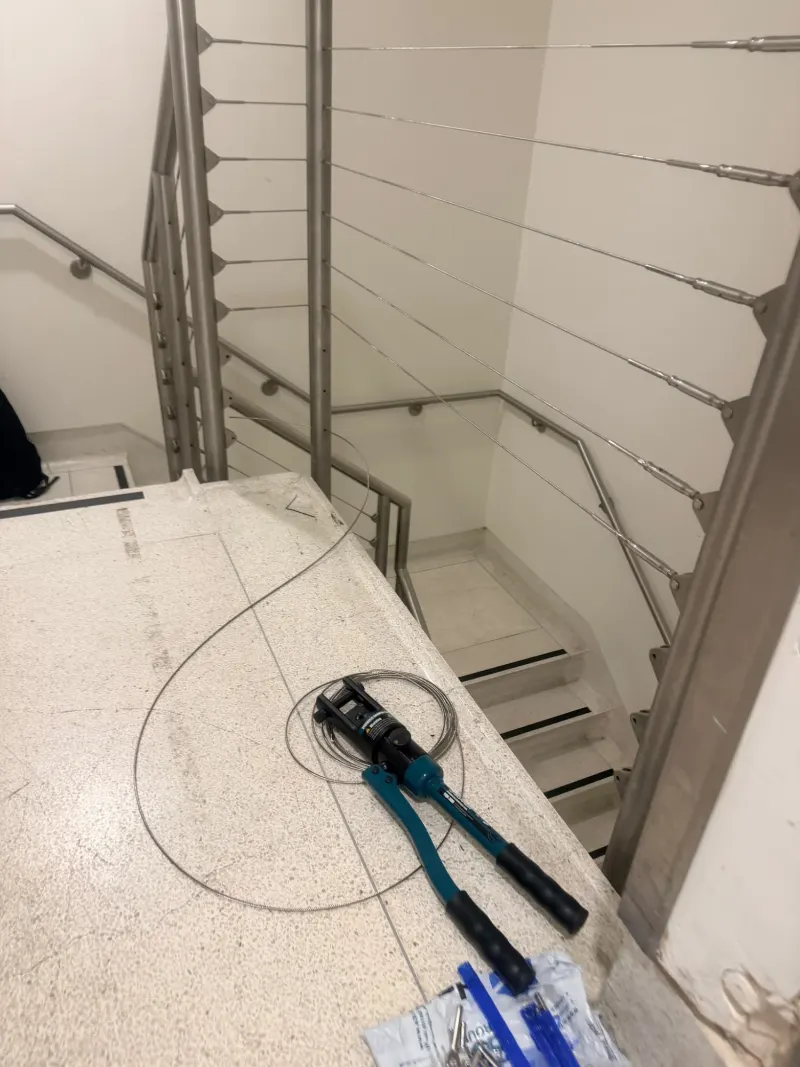 Planned visit
In short
PPM in one paragraph
Planned preventative maintenance (PPM) is maintenance carried out on a fixed schedule, before anything fails. Each item in a building, from the fire alarm to the gutters, is given a task and a frequency, and every visit is recorded. The aim is fewer breakdowns, more predictable costs and a written record that shows the building is being kept safe.
The opposite is reactive maintenance: repairing something after it has failed. Most commercial buildings need both. For a side-by-side comparison, see our planned vs reactive maintenance guide.
Two kinds of task
Statutory and non-statutory PPM
Statutory
Checks that the law or a British Standard expects, to keep people safe: fire alarms, emergency lighting, fire extinguishers, the fixed electrical installation, water hygiene, lifts and gas.
Non-statutory
Checks that protect the building and avoid disruption: gutters, roofs and drains, doors and ironmongery, sealants, decoration and general wear.
Examples
PPM schedule examples for a London office
Typical tasks and frequencies. Your fire risk assessment, your insurer or the equipment manufacturer may set different intervals, so check them first.
Fire alarm
Weekly test of a call point; service by a competent person at least every six months (BS 5839-1).
Emergency lighting
Monthly function test; full-duration test once a year (BS 5266-1).
Fire extinguishers
Monthly visual check; yearly service by a competent person (BS 5306-3).
Fixed wiring (EICR)
Periodic inspection, typically at least every five years for offices and shops (IET guidance to BS 7671).
Water hygiene
Legionella risk assessment kept under review; monthly temperature checks at sentinel outlets (HSE ACoP L8).
Air conditioning
Filters and units serviced regularly; energy inspection at least every five years for systems over 12 kW (TM44).
Gutters, roofs & drains
Gutters cleared at least twice a year, in spring and autumn; roof outlets and drains checked at the same visits.
Doors & fire doors
Closers, hinges, seals and ironmongery checked, typically every quarter; fire doors must close fully on their own.
Buildings with lifts also need a thorough examination at least every six months for lifts that carry people (LOLER 1998), and gas appliances are serviced by a Gas Safe registered engineer.
Step by step
How to build a PPM schedule for your building
- List the assets. Walk the building and list every item that needs looking after, floor by floor.
- Set the frequency. Start with the law and British Standards, then the manufacturer, your insurer and how hard the building is used.
- Decide who does each task. Some checks can be handled by your own team; others need a contractor or a registered specialist.
- Group tasks into visits. Combine checks into regular visits so occupants are disturbed as little as possible.
- Record every visit. Date, what was checked, defects found, photos and certificates, kept in one place.
- Review once a year. Add new equipment, remove what has gone and adjust frequencies to what the records show.
PPM with 3COL
What we cover in a PPM schedule
3COL carries out the building maintenance tasks in a schedule: doors and ironmongery, fixtures, decoration, gutters, plumbing and general repairs. Electrical inspections and emergency lighting tests are carried out by our approved NICEIC electrician, and PAT testing by 3COL. Fire and legionella risk assessments, gas work and lift examinations are carried out by the competent or registered specialists who certify them. See compliance testing for who carries out and certifies each check.
PPM is quoted per building after a free site visit, with month-end payment terms and no deposit. For PPM clients, emergency attendance is as set out in their agreement. See planned maintenance contracts.
Questions
PPM questions
What does PPM stand for?
PPM stands for planned preventative maintenance (sometimes called planned preventive maintenance). It means maintenance carried out on a fixed schedule, before something fails, with a record of every visit.
What is the difference between PPM and reactive maintenance?
PPM is planned in advance to find and fix defects before they cause a failure. Reactive maintenance is the repair that happens after something has already failed or been damaged. Most commercial buildings need both: PPM reduces the number of reactive call-outs, but it cannot prevent every one.
What is included in a PPM schedule?
A PPM schedule lists each item in the building that needs looking after, the task to carry out, how often, who does it and where the record is kept. Typical items are fire alarms, emergency lighting, fire extinguishers, the fixed electrical installation, water systems, air conditioning, gutters, roofs and drains, and doors and fire doors.
Is PPM a legal requirement?
Some of it is. Employers and those responsible for buildings must keep fire safety equipment, electrical installations, water systems and lifts safe under laws such as the Regulatory Reform (Fire Safety) Order 2005, the Electricity at Work Regulations 1989, the Health and Safety at Work etc. Act 1974 and LOLER 1998. A PPM schedule with written records is the usual way to show it is being done. Other tasks, such as clearing gutters, are recommended rather than required by law.
How much does planned preventative maintenance cost?
It depends on the building: how many items are in the schedule, how often each is checked, the size of the building and the access arrangements. 3COL quotes PPM per building after a free site visit, with month-end payment terms and no deposit.
How often should PPM visits take place?
It depends on the items. Some user checks are weekly or monthly, many building checks are quarterly or twice a year, and some inspections are yearly or every five years. Most buildings group the tasks into regular monthly or quarterly visits to keep disruption low.
Start here
Request a free site visit
We look at your building and send a written quotation within 24 business hours of the visit. Very large jobs can take longer.
07427 135911Mon–Fri 7am–8pm · Sat–Sun 8am–6pm