
Home › Maintenance & repairs › Reactive maintenance
Reactive maintenance in London
Reactive maintenance and repairs for offices, retail units and managed buildings in Central London: leaks, failed locks, electrical faults and damage. £80 emergency attendance, then work booked in half-day or full-day blocks.
We aim to respond to emergencies within 4 hours in our core Central London zones (W1, WC2, EC1, EC2, SW1, SW3, SE1, E14) during opening hours. Attendance is subject to availability.
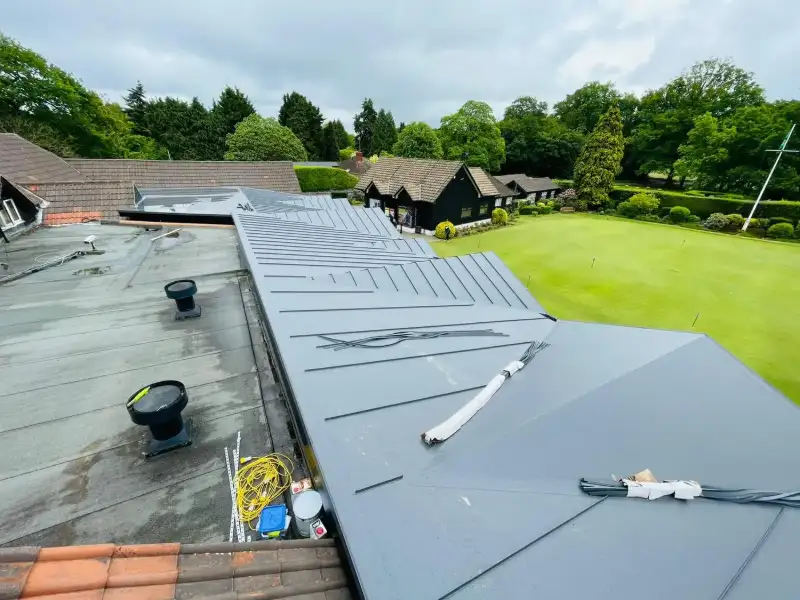 Roof repair
What we cover
Reactive repairs we attend
Leaks & plumbing
Burst and leaking pipes, failed valves, blocked washrooms and water damage.
Doors & security
Doors that will not lock or close, broken closers and damaged entrances.
Electrical faults
Tripped circuits and failed lighting, by our approved NICEIC electrician.
Damage & making safe
Ceiling tiles, broken fittings, roof and gutter repairs, and making areas safe.
Reactive maintenance rates
What a reactive repair costs
Emergency attendance is £80, any day, and covers attending and diagnosing the fault. There is no other call-out fee. The work is charged in blocks per operative, excluding VAT. Month-end payment terms and no deposit.
| Item | Mon–Sat | Sunday |
|---|---|---|
| Emergency attendance | £80 | £80 |
| Half day, up to 4 hours | £170 | £178 |
| Full day, up to 8 hours | £330 | £346 |
A recent job
Hidden balcony drains found and cleared: water ingress stopped
A property manager asked us to deal with the balcony on the fourth floor of an occupied office building in the City of London, after water ingress had been reported.
The problem
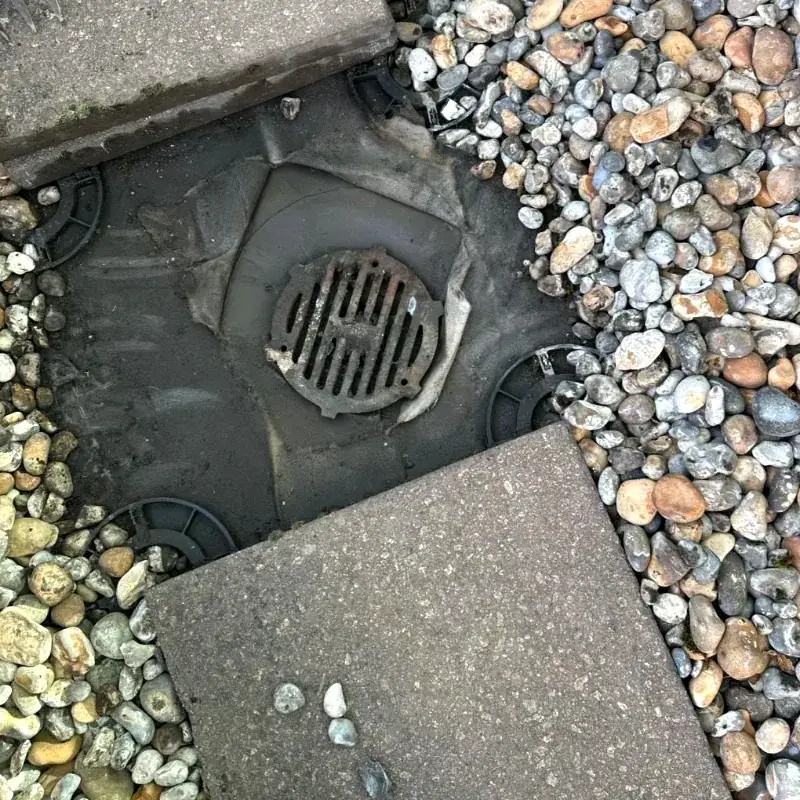
The balcony is a perimeter walkway with gravel channels running along the glazing. The paving and the channels were overgrown with weeds, moss and self-seeded plants, with debris built up along the run.
What we found
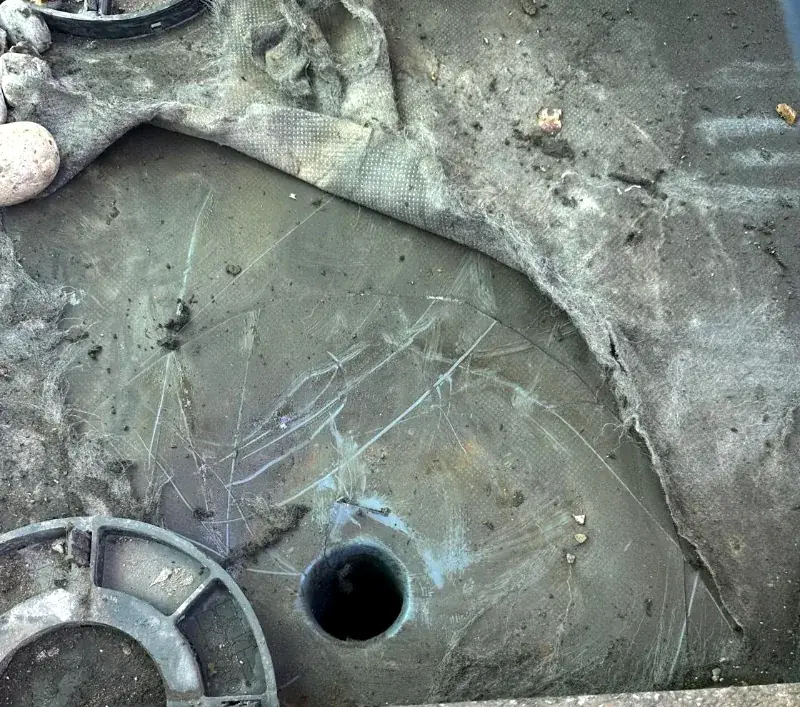
Once the balcony was cleared, no drainage outlets were visible anywhere on it. Without a working outlet the run holds water, which was consistent with the reported ingress. Rather than guess at a repair, we looked beneath the paving: on a follow-up visit we lifted the slabs and found the drainage outlets hidden underneath.
What we did
On the first visit we signed the works permit and completed the main contractor's site induction, then cleared the weeds, moss and debris from the paving and gravel channels, raked the gravel back and swept the full run. All waste was removed from site and the client received a written report with before-and-after photographs. On the follow-up visit we lifted the paving slabs to reach the drainage outlets and cleared them.
The result
The drains are clear and the water ingress has stopped. The client had photographs and a written report at each stage.
How long it took
The first visit took one day on site with two operatives, on a Saturday, and the report was sent the following day.
Planned and reactive
Reactive vs planned maintenance
Reactive maintenance fixes what has already failed. Planned preventative maintenance (PPM) schedules visits to find defects before they fail, with a written record of every check. Most commercial buildings need both, ideally from one contractor who already knows the building: small repairs can then be grouped into planned visits, and reactive calls drop over time.
See planned and reactive property maintenance, emergency building maintenance, our planned vs reactive guide and what is planned preventative maintenance (PPM)?
Questions
Reactive maintenance questions
What is reactive maintenance?
Reactive maintenance means repairing something after it has failed or been damaged: a leak, a door that will not lock, a tripped circuit or a broken fitting. Planned maintenance is the opposite: scheduled visits that find and fix defects before they fail. Most commercial buildings need both.
How quickly can you attend?
We aim to respond to emergencies within 4 hours in our core Central London zones (W1, WC2, EC1, EC2, SW1, SW3, SE1, E14) during opening hours. Attendance is subject to availability. Repairs that are not emergencies are scheduled with you.
How much does a reactive repair cost?
For a genuine emergency there is a single £80 attendance fee, any day, which covers attending and diagnosing the fault. The repair work is then charged in blocks per operative: £170 for a half day or £330 for a full day, Monday to Saturday (£178 and £346 on Sundays, which already include £2 an hour for each operative), excluding VAT. Non-urgent repairs start with a free site visit and a written quotation.
What are your hours?
Our team works Monday to Friday 7am to 8pm and Saturday and Sunday 8am to 6pm. There is no bank-holiday cover. James, our assistant, answers calls and WhatsApp at any hour and passes the details to the team.
Do planned maintenance clients pay the £80 attendance fee?
For clients on a planned maintenance contract, emergency attendance is as set out in their agreement.
Is reactive or planned maintenance cheaper?
Planned visits usually cost less over a year because small defects are fixed before they cause damage and jobs can be grouped. Reactive repairs are still needed for the unexpected. We can quote a planned programme for your building after a free site visit.
Start here
Request a repair
For an emergency, calling is fastest. For non-urgent repairs we arrange a free site visit and send a written quotation within 24 business hours.
07427 135911Mon–Fri 7am–8pm · Sat–Sun 8am–6pm